STEAMMASTER · HEAVY FABRICATION

Heavy fabrication built to your drawings.

We manufacture tanks, pressure vessels and large metal components from customer drawings, combining engineering, integrated production and traceability for specific industrial requirements.

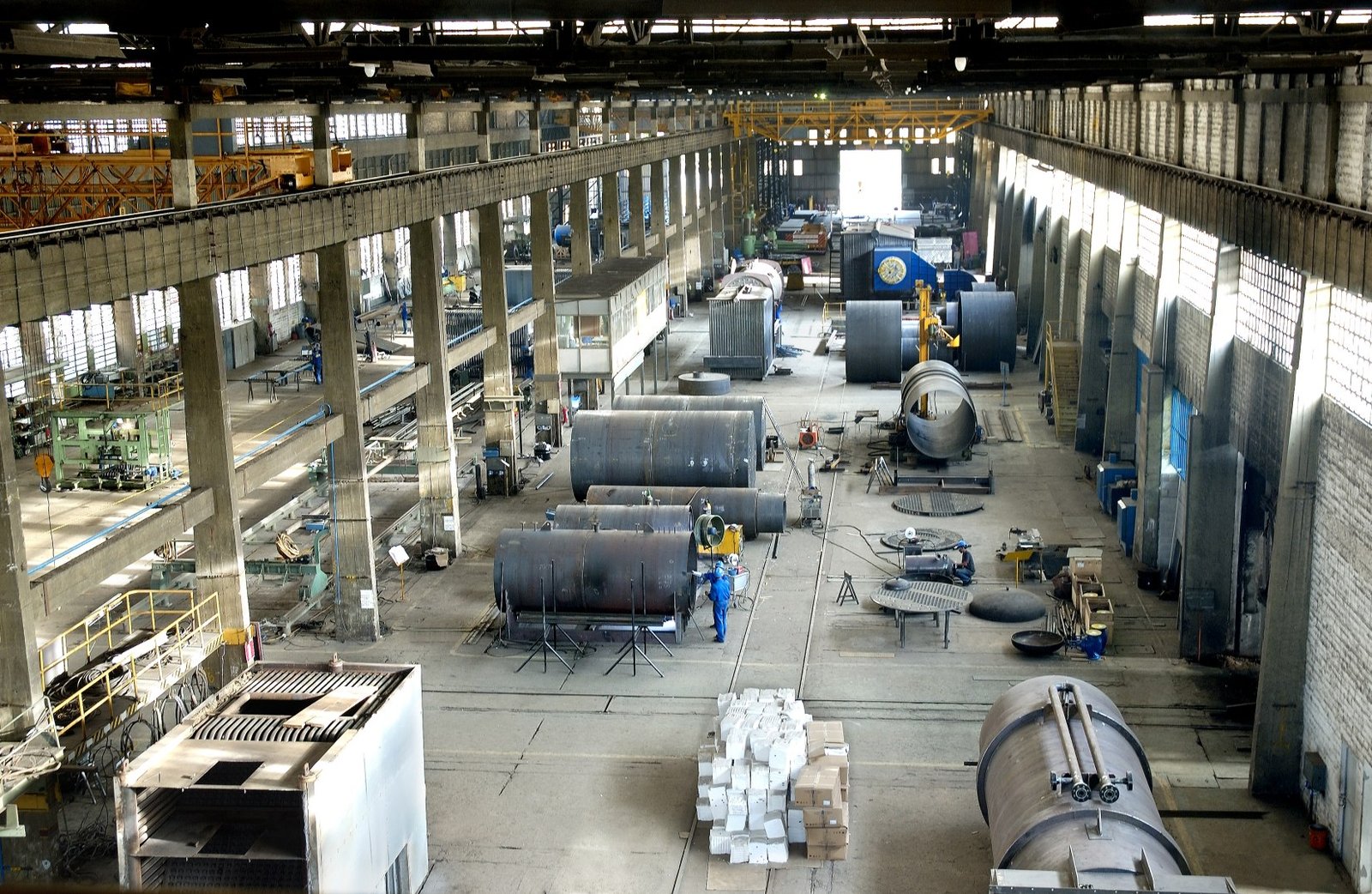
Steammaster factory with large tanks and equipment in production and a worker providing scale
Varginha, Minas Gerais, Brazil Heavy fabrication and large equipment shown with a clear sense of scale
Since 1974industrial experience
Heavy fabricationplate forming and large assemblies
Built to customer drawingscomponents and equipment to specification
Documented controlinspection, traceability and data book

HEAVY FABRICATION

The structure to build what your plant needs, at the scale it requires.

Heavy fabrication requires more than welding. It takes space, forming, material handling and engineering to turn a drawing into manufacturable equipment.

Steammaster brings these capabilities together in one execution path. Each scope is reviewed against the application, manufacturing capacity, customer requirements and applicable requirements.

WHAT WE MANUFACTURE

Tanks and build-to-print manufacturing as the starting point.

From one-off equipment to industrial assemblies, materials, geometry, manufacturing and inspection are defined by engineering for each project.

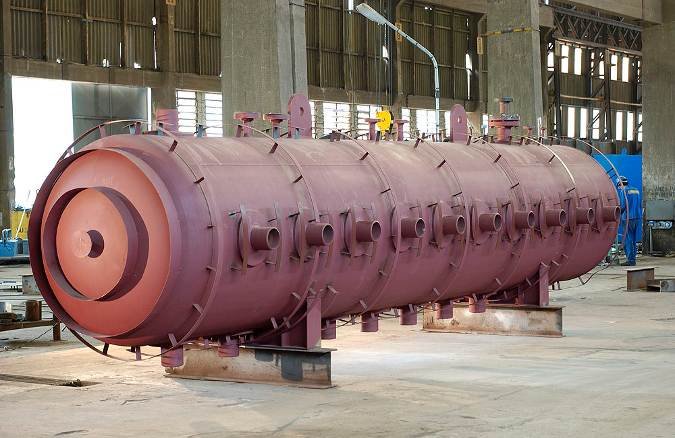
Large cylindrical tank and vessel under fabrication at Steammaster
01 · FLAGSHIP PRODUCT

Custom tanks and vessels, from drawing to delivery.

We manufacture storage tanks, agitated tanks, reactors and pressure vessels according to customer drawings and requirements. When the scope is still being consolidated, our engineering team supports the review of materials, geometry, manufacturing and inspection.
02 · BUILD-TO-PRINT

Components and assemblies built to customer drawings.

We receive the drawing, specification or functional requirement and assess the manufacturing route. Our scope includes one-off components, welded assemblies and items that do not exist in a catalogue, always within our manufacturing capacity and applicable requirements.

See how to start
03

Process equipment

Reactors, mixers, agitators, silos, dryers and components for different industrial operations.

04

Structures and welded assemblies

Steel structures, platforms, bases, housings and subassemblies prepared for installation and integration.

05

Material handling

Chain conveyors, transport systems, chutes, hoppers and special solutions designed for the plant flow.

06

Environmental control

Gas scrubbers, filters and components for industrial systems developed according to the application.

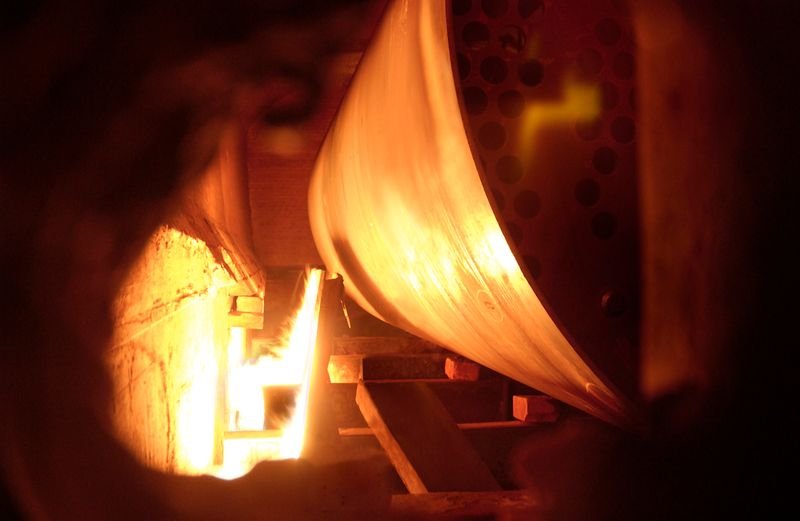
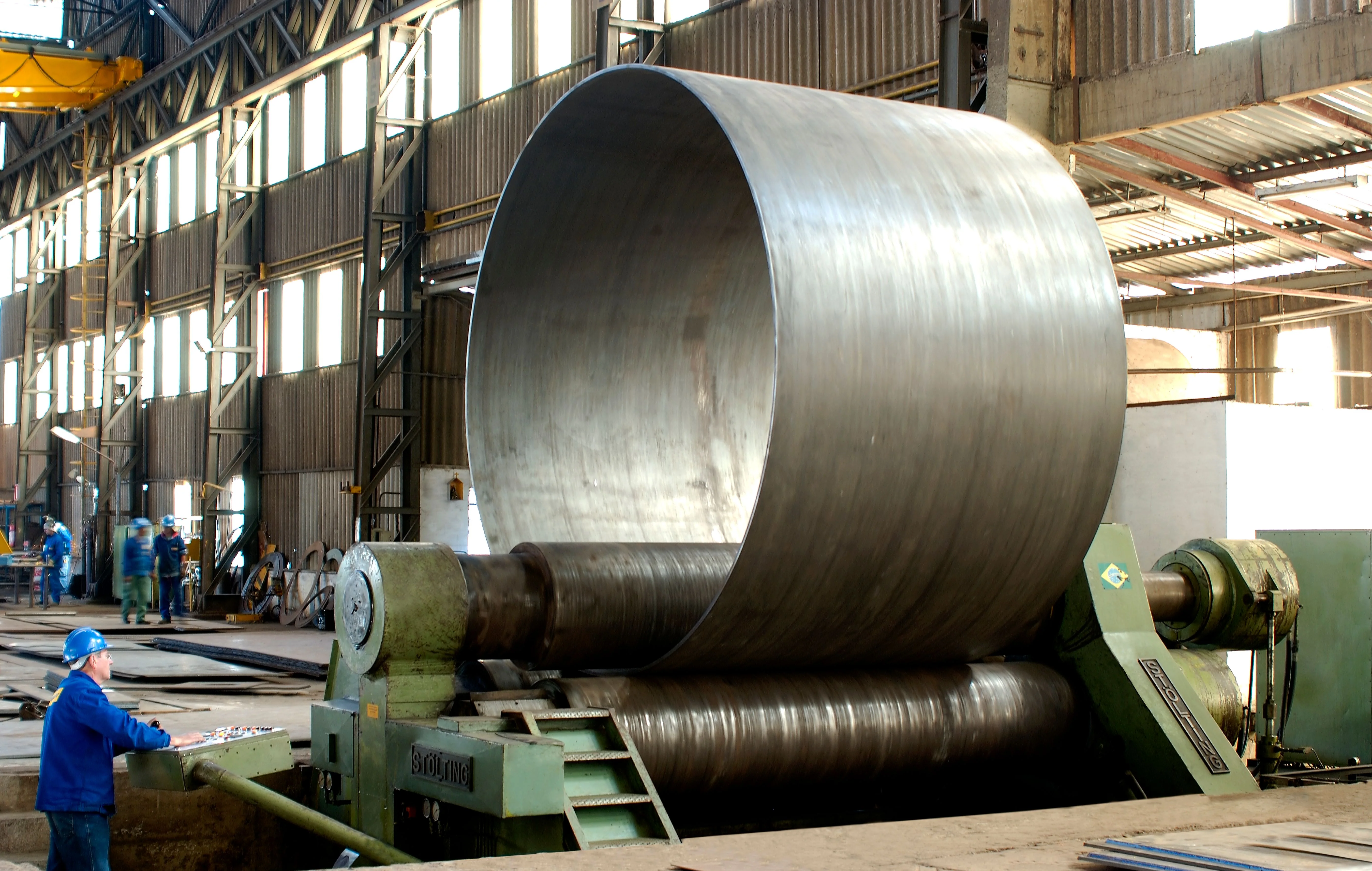
Steel plate forming on industrial equipment
Large-scale formingPlate rolling for components and cylindrical shells.
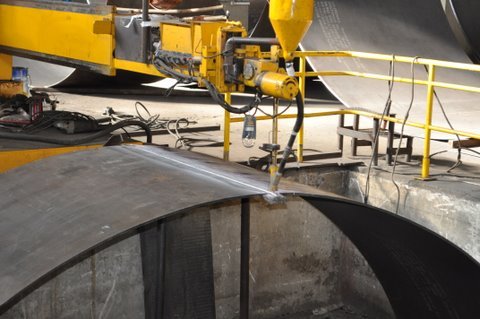
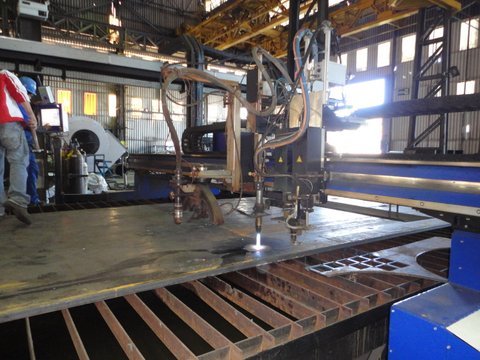
CNC cutting machine operating on a steel plate
Accurate preparationAutomated cutting for dimensional repeatability.

EXECUTION PATH

A clear process reduces risk before, during and after manufacturing.

  1. 01

    Scoping

    Receipt of the drawing, specification or requirement, followed by a review of the application, interfaces and requirements.

  2. 02

    Engineering

    Drawings, revisions, materials and manufacturing plan.

  3. 03

    Preparation

    Cutting, forming, machining and component organization.

  4. 04

    Manufacturing

    Assembly and welding with procedures suited to the scope.

  5. 05

    Inspection

    Dimensional controls and non-destructive testing when applicable.

  6. 06

    Release

    Documentation, logistics preparation and delivery according to the project.

QUALITY AND TRACEABILITY

Manufacturing evidence matters as much as the final equipment.

Procurement, engineering and inspection teams need to understand how the product was built. Controls and records are therefore aligned with the contractual scope and applicable requirements.

  • Controlled documentation and revisions
  • Applicable welding procedures and qualifications
  • Traceability of materials and consumables
  • Non-destructive testing according to the inspection plan
  • Hydrostatic testing and leak inspection when included in the scope
  • Stress relief and thermal records when required
  • Dimensional inspection and data book preparation
See our manufacturing and quality discipline

APPLICATIONS

Capabilities for different plant realities.

Feasibility is confirmed by engineering after reviewing the technical, logistics and documentation requirements of the project.

01

Food and beverages

Tanks, receivers and process equipment defined for each operation.

02

Chemicals and fertilizers

Storage tanks, reactors and assemblies for specific industrial processes.

03

Sugar, ethanol and bioenergy

Tanks and process equipment for production, storage and utilities.

04

Mining and materials

Silos, hoppers, chutes, structures and large welded assemblies.

05

Industrial utilities

Vessels, tanks, supports and components integrated into plant infrastructure.

06

Special projects and EPC

Build-to-print manufacturing for equipment and assemblies that are not available from a catalogue.

HOW TO START

Already have a drawing? Here is how to start.

The first contact does not require a complete package. Engineering helps organize the available information and defines the next step.

  1. 01

    Tell us what you already have

    A drawing, specification, PDF, DWG or simply a functional requirement. Our team will indicate the appropriate channel for sharing files.

  2. 02

    Receive a feasibility review

    Engineering assesses materials, geometry, manufacturing process, inspection and schedule assumptions.

  3. 03

    Move forward with a clear scope

    The technical and commercial proposal records the assumptions considered for manufacturing, inspection and delivery.

Start a drawing review

FREQUENTLY ASKED QUESTIONS

Build-to-print manufacturing without shortcuts in the review.

The answers below cover the start of the process. Size limits, codes and logistics are confirmed for each project.

Do you manufacture from customer drawings?

Yes. The drawing and specification are reviewed before manufacturing. Any issue that may affect feasibility, execution or applicable requirements is aligned with the customer.

Can I contact Steammaster without a completed drawing?

Yes. Engineering can help consolidate the scope based on the requirement, service conditions and information already available.

What information helps with the initial review?

Application, main dimensions, intended material, operating conditions, existing drawings and inspection requirements help make the assessment more objective.

NEXT STEP

Bring the drawing. We bring the structure to manufacture it.

From pressure vessels to large tanks, our team organizes the initial information and recommends the right path for technical and commercial assessment.